

The floor is the largest continuous surface in any room. You interact with it constantly, whether consciously or not. Your feet touch it, your eyes repeatedly scan it, and your brain processes thousands of subtle signals from it every single day. Understanding the psychology behind flooring choices can help you create spaces that truly support your emotional and mental well-being.
Color psychology in interior design has been studied extensively, but flooring color deserves special attention because of the floor’s dominant visual presence. Different colors trigger different emotional and physiological responses, and these effects occur whether we’re consciously aware of them or not.
Light-colored floors create feelings of openness, cleanliness, and calm. Whites, creams, and light grays reflect more light, making spaces feel larger and more airy. These colors can reduce feelings of anxiety and claustrophobia, making them excellent choices for smaller rooms or spaces where relaxation is the goal. Vinyl and laminate both offer extensive options in light color palettes, from blonde wood looks to white marble appearances.
Darker floors evoke different psychological responses. Deep browns, rich blacks, and dark grays create feelings of grounding and stability. These colors can make large, open spaces feel more intimate and cozy. They suggest sophistication and can actually improve focus by reducing visual distractions. Dark flooring works particularly well in home offices, libraries, and formal living spaces where concentrated thought or serious conversation takes place.
Warm tones – reds, oranges, yellows, and warm browns – stimulate energy and social interaction. Homes with warm-toned flooring often feel more welcoming and encourage gathering and conversation. These colors are associated with comfort and nourishment, making them popular choices for kitchens, dining rooms, and family rooms where people come together.
Cool tones – blues, greens, and cool grays – promote calm and concentration. These colors lower heart rate and blood pressure, creating physiological relaxation that supports mental peace. Bedrooms, bathrooms, and meditation spaces benefit from cool-toned flooring that supports the restful purposes of these rooms.
Beyond color, the texture of your flooring communicates powerful messages to your brain through both sight and touch. This tactile dimension of flooring psychology is often overlooked but profoundly impacts how you experience a space.
Carpet provides the ultimate in tactile comfort. The soft, yielding surface underfoot triggers feelings of safety, warmth, and relaxation. This response is deeply embedded in human psychology – soft surfaces signal rest and comfort, while hard surfaces signal alertness and activity. Carpet in bedrooms, living rooms, and other relaxation spaces supports the restful purposes of these rooms at a fundamental psychological level.
The visual texture of carpet matters too. Plush, smooth carpets create formal, sophisticated atmospheres. Textured, casual carpets feel more relaxed and family-friendly. Bold patterns energize spaces and stimulate creativity, while subtle patterns and solid colors calm the visual environment.
Hard surface flooring like vinyl and laminate communicates different psychological messages. These surfaces signal activity, cleanliness, and efficiency. They’re associated with productivity and purposeful movement. Kitchens, entryways, and home offices often benefit from the psychological clarity that hard surface flooring provides.
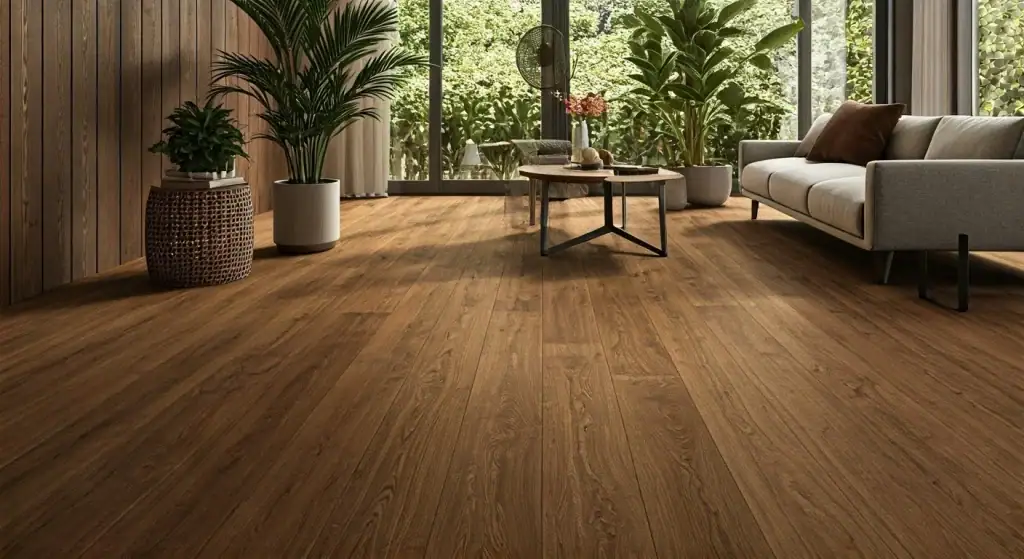
The wood look, achievable through both vinyl and laminate, carries its own psychological significance. Wood is associated with nature, warmth, and authenticity. Studies have shown that wood and wood-look surfaces actually reduce stress and create feelings of well-being. This biophilic response – humans’ innate connection to natural elements – makes wood-look flooring a psychologically beneficial choice throughout the home.
The sounds your flooring creates significantly impact your psychological experience of a space. Every step you take produces sound that your brain processes, contributing to your sense of the room’s character and your place within it.
Carpet absorbs sound, creating quieter environments that feel peaceful and private. This sound absorption reduces stress by eliminating the constant audio stimulation of footsteps, dropped objects, and movement noise. Carpet also reduces echo, making conversations clearer and rooms feel more intimate.
Hard surface flooring reflects sound, creating brighter acoustic environments. The click of footsteps on vinyl or laminate signals activity and movement. While this can feel energizing in social spaces, it can become fatiguing in rooms where quiet concentration is needed. Quality underlayment can significantly reduce this sound transmission, allowing you to enjoy hard surface aesthetics with improved acoustic comfort.
Flooring plays a crucial role in how people move through and understand spaces. The psychology of movement within a home affects everything from daily efficiency to social interaction patterns.
Consistent flooring throughout connected spaces creates visual flow that encourages easy movement and makes homes feel larger and more unified. Open floor plans particularly benefit from this approach, with continuous vinyl or laminate visually connecting kitchen, dining, and living areas into one cohesive space.
Different flooring materials can define zones within open plans without physical barriers. A carpet area within a larger hard-surface room creates a natural gathering space – people instinctively recognize it as a seating area. This technique works beautifully in great rooms where multiple functions share one large space.
Flooring transitions communicate psychological boundaries. Moving from the hard vinyl of an entryway onto the carpet of a living room signals the transition from public to private, from coming and going to staying and relaxing. These subtle cues help people navigate homes intuitively and feel comfortable in different spaces.
Physical comfort from flooring directly impacts psychological well-being. Standing and walking on uncomfortable surfaces creates physical stress that accumulates throughout the day, affecting mood, energy levels, and overall quality of life.
Carpet provides the most cushioning underfoot, reducing fatigue from standing and creating comfortable surfaces for sitting, playing, and relaxing. Families with young children often appreciate carpet’s forgiving nature – both for comfort during floor play and safety during inevitable tumbles.
Vinyl flooring, particularly luxury vinyl with cushioned backing, offers surprising comfort compared to other hard surface options. The slight give underfoot reduces joint stress during extended standing, making it an excellent choice for kitchens where hours of meal preparation occur.
Laminate flooring is generally firmer than vinyl, but quality underlayment can add significant cushioning. The comfort level of laminate varies considerably based on both the product quality and the underlayment selected, making these choices important for overall satisfaction.
Different rooms serve different purposes, and flooring choices should support the intended psychological function of each space.
At American Dream Flooring & Tile, we understand that flooring is about much more than covering your subfloor – it’s about creating environments that support your well-being and enhance your daily life. Our showrooms in Raleigh, NC and Myrtle Beach, SC feature extensive displays that let you experience different flooring options firsthand, helping you make choices that will bring lasting satisfaction on every level.

Article details:
Share:


